5.00
(1 Rating)
Recognising and Reporting Child Abuse
About Course
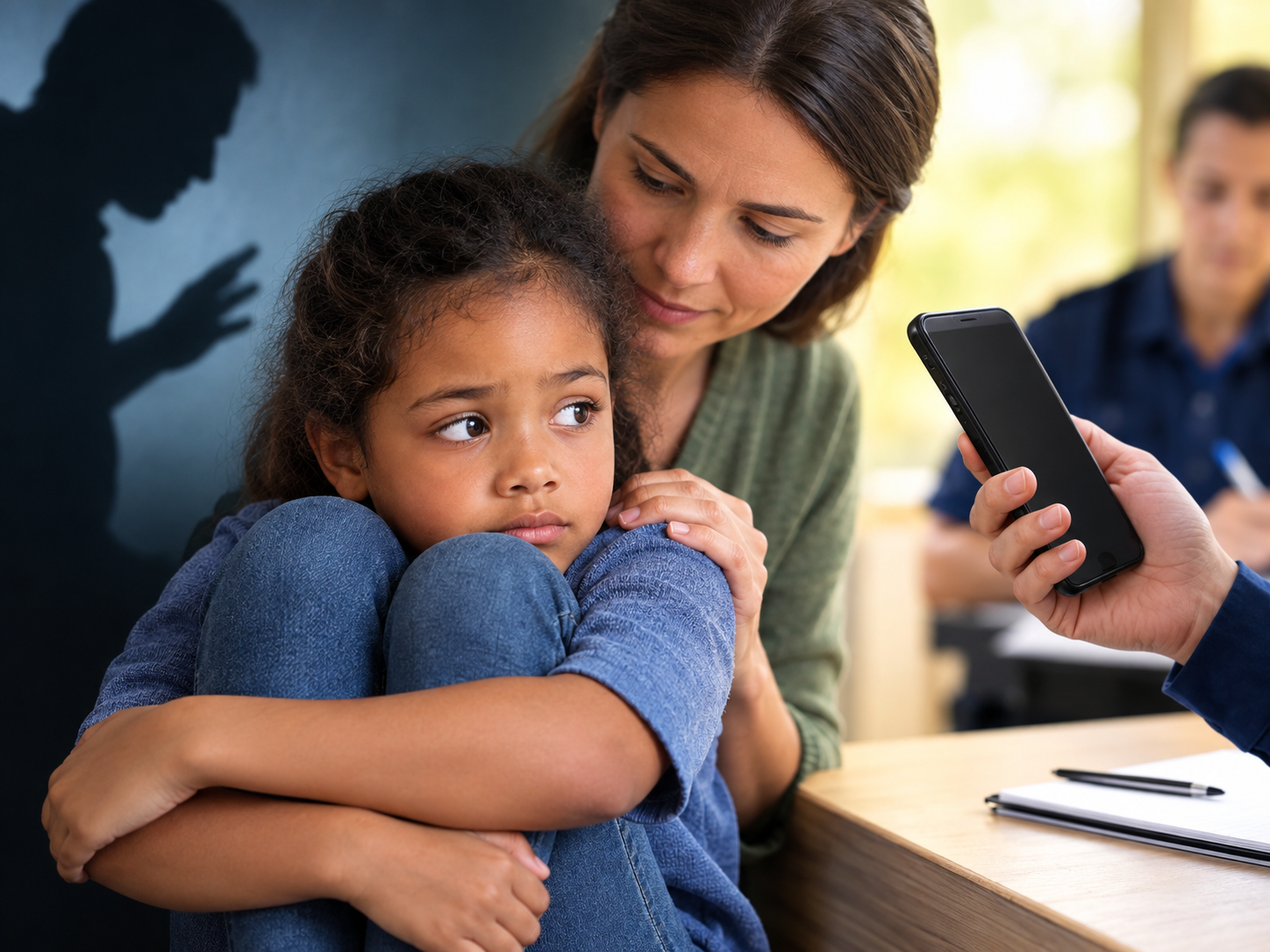
The Reconising and Reporting Child Abuse course is for parents, child and youth care workers, social workers, nurses, doctors, therapists and anyone working with children.
Know the signs. Understand the child. Know what to do.
This course will discuss the main forms of child abuse in the South African context.
What Will You Learn?
- Recognising child abuse is only the first step. Every adult has a role to play in protecting children. By recognising possible warning signs, listening to children without judgement, taking their concerns seriously, and following the appropriate reporting procedures, we can help ensure that children at risk receive the protection and support they need.
- Remember: RECOGNISE — LISTEN — RESPOND — REPORT — PROTECT.
Course Content
INTRODUCTION
Anyone who comes into contact with children has an important role to play in the Child Protection System. Protecting children is not the responsibility of professionals alone; it is a shared responsibility that extends to parents, teachers, child and youth care workers, healthcare professionals, caregivers, and ordinary citizens.
However, you cannot effectively protect a child if you do not understand child abuse, know how to recognise its different forms, or understand what steps to take when abuse is suspected or disclosed.
Recognising abuse is only the first step. Knowing how, when, and where to report concerns is equally important. Every person working with or caring for children should understand the reporting procedures relevant to their profession, organisation, or role, while members of the public should know how to raise concerns with the appropriate authorities.
This course will equip you with the knowledge and practical understanding needed to recognise the different forms of child abuse, identify potential warning signs, respond appropriately to concerns or disclosures, and understand the reporting processes that help ensure children receive the protection they need.
Because protecting a child begins with recognising that something may be wrong — and knowing what to do about it.
-
What is Child Abuse?
-
What is a Child in South African Law?
-
Why developmental stages matter in abuse
-
Why the Type of Abuse Matters
PHYSICAL ABUSE
Physical abuse is the first form of child abuse we will explore in this module.
Although physical abuse can be described and classified in various ways within the law, including offences such as assault and assault with the intent to cause grievous bodily harm (GBH), our focus will be on understanding physical abuse from a practical, child-protection perspective.
Rather than becoming caught up in legal terminology and complex definitions, we will concentrate on what physical abuse may look like in real-life situations, how to recognise potential warning signs, and what you, as someone who works with or comes into contact with children, need to understand to identify and respond appropriately to concerns about a child's safety and well-being.
-
Understanding Physical Abuse
-
Categories of Injuries
-
Physical Development & Physical Abuse
-
How Might a Child Tell You?
-
How do I Respond to a Disclosure?
SEXUAL ABUSE
Sexual abuse is the second form of child abuse we will explore in this module.
Like physical abuse, sexual abuse can be described and classified in various ways within the law, including offences such as grooming, sexual assault, rape, statutory rape, etc. Our focus will be on understanding physical abuse from a practical, child-protection perspective.
Rather than becoming caught up in legal terminology and complex definitions, we will concentrate on what sexual abuse may look like in real-life situations, how to recognise potential warning signs, and what you, as someone who works with or comes into contact with children, need to understand to identify and respond appropriately to concerns about a child's safety and well-being.
-
Understanding Sexual Abuse
-
Types of Sexual Abuse
-
Physical Development & Sexual Abuse
-
How Might a Child Tell You?
-
How do I Respond to a Disclosure?
NEGLECT
Neglect is the third form of child abuse we will explore in this module.
Like physical abuse and sexual abuse, neglect can be described and classified in various ways within the law, including deliberate neglect and circumstantial neglect. Our focus will be on understanding neglect from a practical, child-protection perspective.
Rather than becoming caught up in legal terminology and complex definitions, we will concentrate on what neglect may look like in real-life situations, how to recognise potential warning signs, and what you, as someone who works with or comes into contact with children, need to understand to identify and respond appropriately to concerns about a child's safety and well-being.
-
Understanding Neglect
-
Types of Neglect
-
Physical Development & Neglect
-
How Might a Child Tell You?
-
How do I Respond to a Disclosure?
EMOTIONAL ABUSE
Emotional Abuse is the fourth form of child abuse we will explore in this module.
Unlike the other forms of abuse we described, emotional abuse is probably the most difficult form of abuse to recognise in children and also the form of abuse that does not have physical lesions.
Rather than becoming caught up in legal terminology and complex definitions, we will concentrate on what neglect may look like in real-life situations, how to recognise potential warning signs, and what you, as someone who works with or comes into contact with children, need to understand to identify and respond appropriately to concerns about a child's safety and well-being.
-
Understanding Emotional Abuse
-
Types of Emotional Abuse
-
Physical Development & Emotional Abuse
-
How Might a Child Tell You?
-
How do I Respond to a Disclosure?
DIGITAL ABUSE
Digital (online) abuse is the fifth form of child abuse we will explore in this module.
Unlike some other forms of abuse, digital abuse may take place through mobile phones, social media, online games, messaging platforms, and other digital environments. It may occur without any face-to-face contact, and the signs may not always be immediately visible to the adults around the child.
Digital abuse can take many forms, including online harassment, cyberbullying, grooming, sexual exploitation, threats, coercion, and the sharing of harmful or inappropriate content.
Its effects may become apparent through changes in a child's behaviour, emotional well-being, relationships, or use of technology.
Rather than becoming caught up in legal terminology and complex definitions, we will concentrate on what digital abuse may look like in real-life situations, how to recognise potential warning signs, and what you, as someone who works with or comes into contact with children, need to understand to identify and respond appropriately to concerns about a child's safety and well-being.
Remember: Digital abuse is not less serious because it happens online. Harmful behaviour in a digital environment can have real and lasting effects on a child's safety, dignity, and emotional well-being.
-
Understanding Digital Abuse
-
Types of Digital Abuse
-
Physical Development & Digital Abuse
-
How Might a Child Tell You?
-
How do I Respond to Disclosure?
CHILD TRAFFICKING
Child Trafficking is the sixth form of child abuse we will explore in this module.
Unlike some other forms of abuse, child trafficking may involve the movement, recruitment, harbouring or control of a child for the purpose of exploitation. It can occur within a community, between provinces, or across national borders. A child does not necessarily have to be transported or taken to another country to be trafficked.
Child trafficking can take many forms, including sexual exploitation, forced labour, domestic servitude, criminal exploitation, forced begging, and other forms of exploitation. Traffickers may use deception, manipulation, threats, coercion, abuse of vulnerability, or relationships of trust to gain control over a child.
The signs may not always be obvious. A child may appear to be in a relationship, working, helping someone, travelling, or living with another person without adults immediately recognising that exploitation is taking place.
Rather than becoming caught up in complex legal definitions, we will concentrate on what child trafficking may look like in real-life situations, how to recognise potential warning signs, and what you, as someone who works with or comes into contact with children, need to understand to identify and respond appropriately to concerns about a child's safety and well-being.
Remember: Child trafficking does not always look like a child being taken away by a stranger. Exploitation can be hidden behind relationships, promises, employment, gifts, accommodation, or apparent opportunities. Recognising the signs is an important first step in protecting the child.
-
Understanding Child Trafficking
-
Types of Child Trafficking
-
Recognising Child Trafficking
-
Child Trafficking in South Africa
CHILD PORNOGRAPHY
This lesson focuses on Child Sexual Abuse Material (CSAM), sometimes still referred to as child pornography.
CSAM involves material that shows, depicts or represents a child in a sexual or sexually exploitative way.
It is important to understand that CSAM is not simply “inappropriate content involving children”. It is connected to the sexual abuse and exploitation of children.
As a parent, teacher, caregiver, child and youth care worker, or anyone who regularly comes into contact with children, you may encounter concerns involving CSAM without being directly involved in its creation or distribution.
Your role is to recognise the warning signs, respond appropriately and help protect the child.
A sexual image of a child is not simply a picture—it may be evidence of abuse.
-
Understanding CSAM
-
Recognising Concerns
-
CSAM as an Entry Point to Other Forms of Abuse
DOMESTIC VIOLENCE AND CHILD ABUSE
Domestic violence is not only about physical violence. It can include emotional, psychological, sexual, economic, controlling or threatening behaviour within a family or household.
Children can be affected in different ways. They may be directly abused, or they may see, hear or experience the effects of violence between adults in their home.
For someone who works with or regularly comes into contact with children, this is important:
A child does not have to be physically assaulted to be affected by domestic violence.
Knowing that a child is living in a situation of domestic violence should not be ignored. Where there is knowledge, a reasonable belief or suspicion that a child is being subjected to domestic violence, the appropriate reporting and child-protection process must be followed.
In this section, we will focus on recognising when domestic violence may be affecting a child and understanding your responsibility to report concerns.
-
Understanding Domestic Violence
REPORTING CHILD ABUSE
Recognising child abuse is only the first step towards protecting a child. Knowing what to look for means little if we do not act on the concerns we identify.
When a child may be experiencing abuse, neglect or exploitation, taking appropriate action can be essential to their safety and wellbeing. Reporting helps bring the concern to the attention of the people and authorities responsible for assessing the situation and taking the necessary steps to protect the child.
In this section, we will explore your role and responsibilities as a reporter of child abuse. We will look at what should be reported, who must or may report, where and how to make a report, and what steps can be taken if a report is not acted upon or a child remains at risk.
You do not have to investigate the situation or prove that abuse has occurred before raising a genuine concern. Your responsibility is to recognise the concern, respond appropriately, and ensure that it reaches the correct reporting channel.
Remember:
Recognise the concern. Take it seriously. Report it. Help protect the child.
-
How to Report Child Abuse
04:29:00
ASSESSMENT
We hope this course has strengthened your understanding of the different forms of child abuse, helped you recognise possible warning signs, and given you the knowledge and confidence to respond appropriately when a child may be at risk.
Remember, recognising abuse is only the first step. Listening without judgement, taking concerns seriously, and following the appropriate reporting procedures can make a meaningful difference in a child’s life.
Thank you for taking the time to develop your knowledge and strengthen your role in protecting children. Every informed and responsible adult can contribute to a safer environment for children.
Continue to be alert. Continue to speak up. Continue to protect.
Together, we can help create a safer world for every child.
-
Assessment of Knowledge
-
Your role as child protector
-
Course Evaluation
Student Ratings & Reviews
5.0
Total 1 Rating
5
1 Rating
4
0 Rating
3
0 Rating
2
0 Rating
1
0 Rating
GREAT